Radiofrequency Ablation (RFA) and Endovenous Laser Therapy (EVLT)
Both Radiofrequency ablation using the Closurefast catheter and Endovenous laser therapy uses thermal energy to help to close off incompetent or non-functioning veins. Both Radiofrequency ablation with Closurefast and Endovenous laser therapy are endovenous thermal ablations to treat varicose veins. Most insurances will cover both Radiofrequency ablation with Closurefast and Endovenous laser therapy for the treatment of varicose veins. During the procedure, heat causes the walls of the vein to contract and then close as the Radiofrequency ablation catheter or laser is withdrawn. In endovenous laser, all of the heat is at the tip of the laser fiber and how much energy or heat is delivered to the wall of the target vein is determined by how fast the fiber is pulled back. Radiofrequency will treat the vein in longer segments (3-8cm) and the device will automatically adjust the delivered energy to keep the radio frequency heating element at a constant temperature for the 20 second treatment cycle. The RF catheter is then pulled back to treat the next segment and no energy is delivered during the pull back.
While both laser and Radiofrequency ablation are highly effective, there have been several studies published indicating that patients experience less pain and bruising after the procedure with the Radiofrequency ablation than they do with the laser. Dr. Heeringa has used both devices in the past but made the switch to using Radiofrequency ablation exclusively after seeing the difference in post-op pain in his patients.
Benefits Of Radiofrequency Ablation
- Relief of symptoms
- Less invasive; not a surgical procedure
- Same day, outpatient procedure
- Little to no scarring
Who Is a Good Candidate for Radiofrequency Ablation?
If you have varicose veins, you’re likely to be a great candidate for radiofrequency ablation to remove them. These minimally invasive treatments are very effective and don’t require any downtime.
Most insurance companies require patient to have tried conservative treatments for varicose veins, such as wearing compression stockings, exercise (particularly involving your legs), weight loss, and elevating your legs while sitting.
Meet Dr. Brian Heeringa
Dr. Heeringa is a Board certified General Surgeon, a Fellow of the American College of Surgeons, and a Diplomate of the American Board of Venous and Lymphatic Medicine. Our team treats a broad spectrum of venous conditions ranging from spider veins to varicose veins to venous ulcers and everything in between. We also offer DVT risk assessment and can help manage post thrombotic syndrome. Call today to find out how our team can help you.
The Endovenous Radiofrequency Ablation Treatment
Endovenous Radio Frequency Ablation (Radiofrequency ablation), also called the ClosureFast procedure, is a minimally invasive varicose vein treatment procedure that uses radiofrequency energy (electricity) to heat, collapse, and seal off the targeted blood vessels. The Radiofrequency ablation procedure is preferred by Dr. Heeringa.
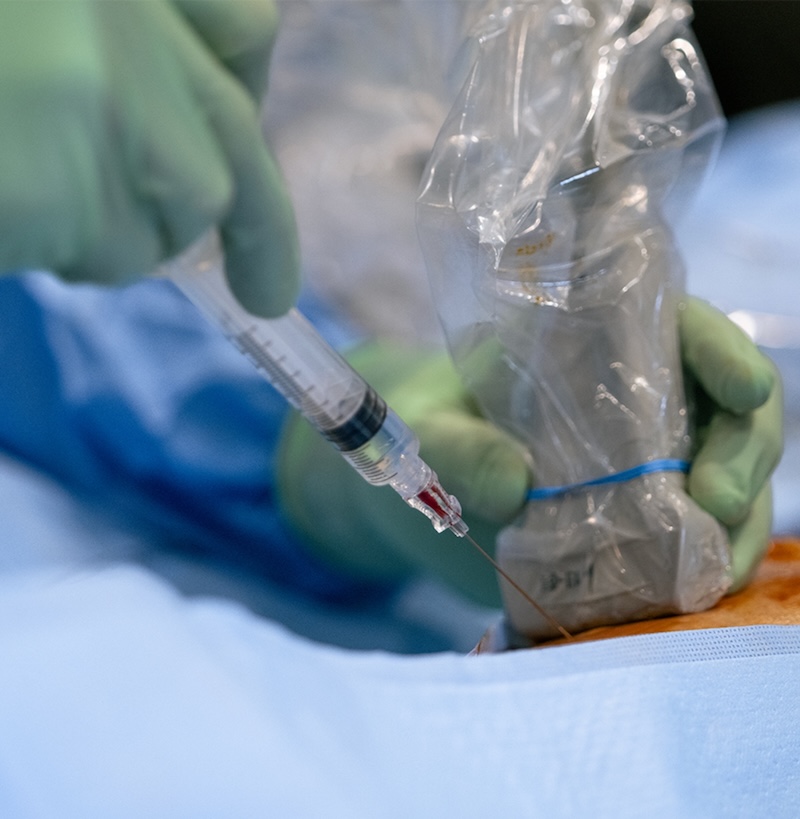
After using ultrasound to map the course of the vein to be treated, the physician guides a catheter (thin tube) through a small incision into the diseased vein, threading it through the blood vessel. Electricity is delivered to a heating element in 20-second pulses, heating and contracting the collagen within the walls of the vein until they shrink and shut down. This process is called ablation.
The vein is treated in segments as the catheter is gradually inched back down towards the incision. When the entire vein has been ablated, the blood flow is automatically rerouted through healthier adjacent veins, restoring healthy circulation and reducing swelling. The ablated vein becomes scar tissue and is absorbed by the body. Possible complications of endovenous radiofrequency ablation are thermal skin burns and temporary numbness.
Radiofrequency ablation is usually covered by most private insurers and Medicare when proof of medical necessity and previous conservative therapy is provided. Approved for use in the United States by the Food and Drug Administration in 1999, the Radiofrequency ablation treatment procedure is performed under local anesthesia in a physician’s office, ambulatory surgical center, or hospital. Patients are encouraged to walk immediately following the procedure and are usually able to resume their normal activities within a day.
Both Radiofrequency ablation and endovenous laser ablations are thermal ablation techniques and are alternatives to the more invasive leg stripping surgery that requires hospitalization and general anesthesia. Radiofrequency ablation and Endovenous Thermal Ablation are used primarily to treat the great saphenous veins (GSV), small saphenous vein (SSV), and other superficial veins in the legs.
Radiofrequency Ablation FAQs
Benefits Of Endovenous Laser Ablation (Vein Laser Treatment)
- Relief of symptoms
- Less invasive; not a surgical procedure
- Little downtime
- Same day, outpatient procedure
- Little to no scarring
Who Is A Good Candidate For Endovenous Laser Ablation?
As with radiofrequency ablation, just about anyone bothered by their varicose veins is a great candidate for endovenous laser ablation. Dr. Heeringa advises patients to exhaust conservative treatment options — wearing compression stockings, losing weight, exercise (particularly with your legs), and elevating your legs while sitting — before opting to have Endovenous Thermal Ablation.
The Endovenous Laser Ablation Treatment
Endovenous Laser Ablation uses laser energy, which is simply a highly concentrated beam of light. Medical lasers work by delivering this light energy to the targeted tissue with extreme precision, so as not to affect the surrounding tissue. Lasers have proven their safety and effectiveness through years of use in all types of medical procedures, from eye surgery to dermatology. In the hands of a skilled physician, lasers offer far less risk for complications than conventional surgery.
In Endovenous Thermal Ablation, a thin fiber is inserted into the damaged vein through a tiny entry point in the skin. Using ultrasound technology, a thin laser fiber is guided into the vein through a very small opening to deliver pulsed laser heat to the diseased vein wall. This causes the vein to close and seal shut and eliminates venous reflux at its source. The veins that are closed are superficial veins that handle less than five percent of the body’s blood flow. The blood is automatically routed to other, healthy veins.
Some physicians are now using a jacketed fiber, which prevents any contact between the fiber and the vein wall. The jacketed fiber prevents much of the pain and bruising that is often associated with the most conventional method of ligation and stripping. Some patients may experience temporary soreness or some slight swelling, which can be treated effectively with over-the-counter, non-aspirin pain relievers, and typically subsides within 1 to 2 days. Possible complications of endovenous laser treatment are thermal skin burns and transient numbness.
Both Radiofrequency ablation and Endovenous Thermal Ablation procedures are an alternative to more invasive leg stripping surgery that requires hospitalization and general anesthesia. Radiofrequency ablation and Endovenous Thermal Ablation are used primarily to treat the great saphenous veins (GSV), small saphenous vein (SSV), and other superficial veins in the legs. Varicose veins that branch off from these blood vessels are treated with Sclerotherapy or Ambulatory Phlebectomy.
