Varicose Vein Treatment In Traverse City & Cadillac, MI
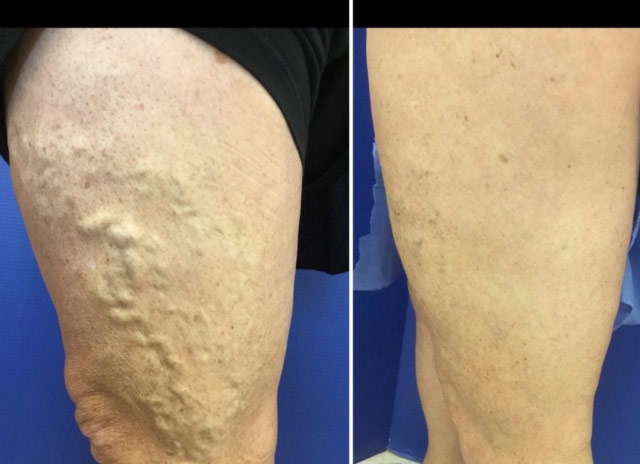
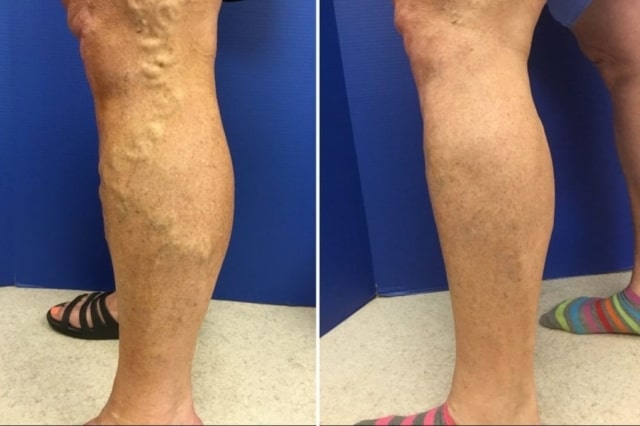
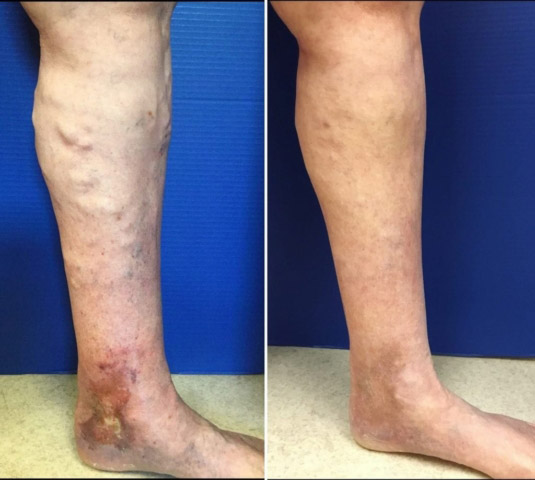
Varicose veins are the large, ropy blue veins that extend across the thigh or the calf. They are related to poor valve function in the major superficial veins themselves. They cause symptoms of aching, pain, and burning and can progress to a chronically swollen disfigured leg. These veins are a true medical problem and not cosmetic.
What Causes Varicose Veins?
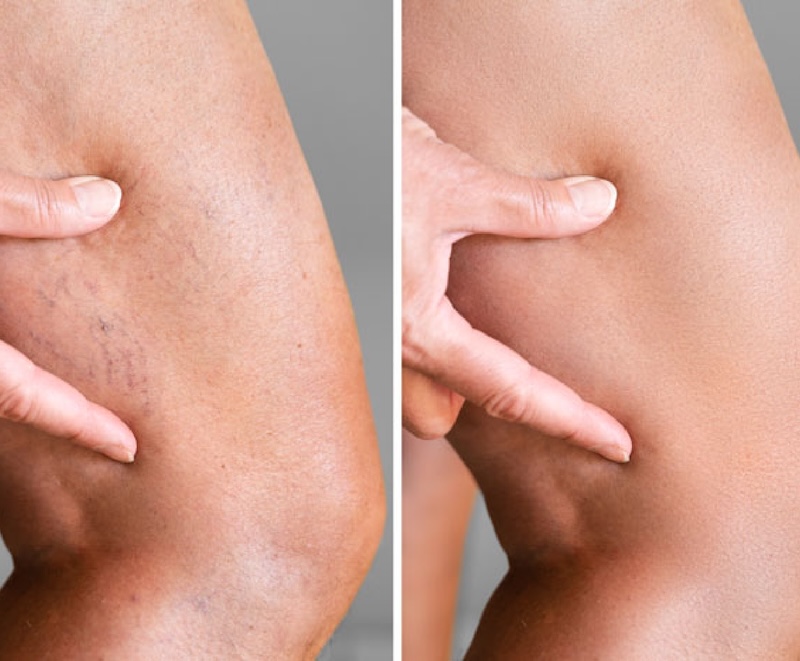
Varicose veins were once part of the superficial venous system which generally returns only 5-10% of the blood flow from the legs back to the heart. Varicose veins begin when small one-way valves inside veins wear out over time. When these valves fail, blood falls down the veins with gravity causing excessive pressure to build up inside the veins. The veins swell and become tortuous. Once a vein is damaged by this process it can never again function as a healthy vein.
Varicose Veins FAQs
What Causes CVI (Chronic Venous Insufficiency)?
CVI is typically due to dysfunction of the valves in your veins, but it can also be caused by obstruction as can be seen with blood clots. Unlike our arteries, which have a thick muscular wall and are therefore pressurized, the venous system is a low-flow, low-pressure system. The heart pumps the blood and the arteries carry that oxygenated blood to the tissues and maintain the blood pressure. Once the blood reaches the target organs or tissues, where the oxygen exchange happens, the blood must then be returned to the heart to get recirculated.
The venous system, however, is a low flow, low-pressure system. The veins in your leg are divided into both deep and superficial venous systems. The superficial veins include all the veins above the muscles and the deep veins are deep to the muscles.
As the deep veins are enclosed in the muscles and muscular fascia, they are under higher pressures than the superficial veins and the deep veins act as the primary “highway” for blood to be returned to the heart. The superficial veins normally have lower pressure and hold the blood until it can enter the deep system for return to the heart.
Perforating veins “perforate” the fascia surrounding the muscles and take blood from the superficial veins to the deep veins. When we walk or move our muscles, the calf acts as a pump to pump the venous blood out of the legs.
In the normal state, the veins have one-way valves, which prevent the backward flow of blood. If the valves are damaged or don’t function properly, gravity will pull that blood back down toward the feet. As this blood then pools in these veins, and more blood keeps entering the veins then those veins will dilate or stretch out. This then leads to varicose veins or blood will back up because of the increased pressure in the surface veins and present as spider veins.
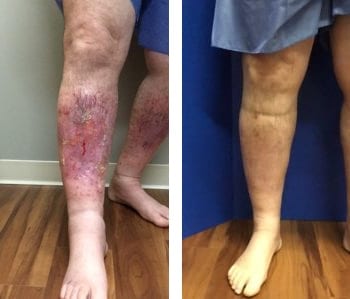
In patients with venous ulcers, there is often an incompetent or non-functioning perforating vein underneath the ulcer. If we can find which veins are not functioning properly and close those off, your body will re-route that blood into veins that are working properly, and that typically will improve the patient’s symptoms as well as the appearance of their legs.
Real Results
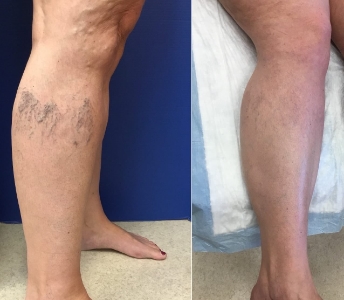
See real examples of the difference our various vein treatments provide.